TurnCage empowers small and midsize businesses, entrepreneurs, solopreneurs, artist, and more to create a fully SEO’d multi-page website in minutes. TurnCage designs, develops, writes, publishes, hosts, and maintains your website for one monthly fee.

Can Creative Websites Be Built Without Coding Skills?

In today’s digital age, building a creative website doesn’t necessarily require a deep understanding of coding. With a range of user-friendly tools available, anyone can express their creativity online. This FAQ guide will walk you through the steps of creating a stunning website without any coding skills.
A colorful website interface displayed on a laptop screen. 35mm stock photo

Choose the Right Website Builder

Start by selecting a website builder that suits your needs. Platforms like Wix, Squarespace, and Weebly offer drag-and-drop interfaces, making it easy to create a website without any coding knowledge.

These platforms not only simplify the design process but also come equipped with various functionalities that make them ideal for beginners. They often include hosting and domain features, further reducing the technical complexities involved in website development.

Consider what features are most important to you. For instance, if eCommerce capabilities are vital, ensure your chosen builder supports this function seamlessly. Some builders are better tailored for blogging or portfolio websites, so align your choice with your primary objective.

Select a Template That Matches Your Vision

Browse through various templates to find one that aligns with your creative vision. Consider the layout, color scheme, and overall design to ensure it fits the concept you have in mind.

Templates serve as a structural foundation for your website, giving you a starting point that can save time and help maintain consistency throughout the site’s pages. Don’t hesitate to experiment with different templates to see which one truly captures your intended creative expression.

Keep in mind that a template is just a starting point. While it should resonate with your vision from the outset, be open to adjustments and customizations that better reflect your unique aesthetics.

Customize Design Elements

Personalize your website by adjusting fonts, colors, and images. Most website builders allow you to customize these aspects effortlessly, helping you to reflect your unique style.

This customization process not only makes your website stand out but also ensures that it remains true to your brand identity. Consistent visuals across platforms enhance brand recognition and help foster a memorable user experience.

Experiment with different styles and elements. Don’t be afraid to try something bold or unique, as long as it aligns with your brand’s message and the expectations of your target audience.

Integrate Multimedia Features

Enhance your site with multimedia elements such as galleries, videos, or animations to engage your audience better. These features can typically be added with a simple click or drag-and-drop functionality.

Integrating multimedia content can significantly boost user engagement and prolong visit duration on your website. Consider using high-quality images and videos that complement your content, adding depth and context that text alone might not convey.

Ensure that all multimedia files are optimized for web use, which will help maintain fast loading times and improve overall site performance. The strategic use of compressed image formats can contribute to this.

Utilize Plugins and Extensions

Expand your website’s functionalities by using plugins or add-ons. These can help with everything from SEO optimization to adding social media feeds, enriching your site’s interactivity and utility.

Plugins can greatly extend the capability of a basic website, allowing you to incorporate complex functionalities without the need for custom coding. For example, you could use SEO plugins to help your website appear more prominently in search results.

Selecting the right plugins can be crucial for the performance and security of your site. Regular updates and reviews are necessary to ensure that they continue to operate smoothly and remain compatible with other site elements.

Empowering Creativity in Web Design without Coding

Building creative websites without coding is not only possible but also remarkably accessible. With the aid of intuitive platforms, templates, and a few helpful tips, anyone can design a professional-looking site to showcase their ideas.

How Interactive Tools Redefine DIY Website Building for Creatives

In today’s digital age, creating a website is more accessible than ever, especially for creatives who want to showcase their work. Thanks to interactive tools, the process of building a DIY website has been revolutionized, making it not only easier but also more engaging. This blog explores how these innovative tools are transforming the landscape for creatives.
A colorful artist’s workspace with digital tools and sketches. 35mm stock photo

The Rise of Interactive Tools in Website Building

Interactive tools have taken center stage in the world of website building. These tools have evolved from simple drag-and-drop editors to sophisticated platforms that allow users to create complex websites with ease. Among these are platforms that offer extensive features, enabling developers and designers to push creative boundaries like never before. As the digital world evolves, it’s vital for creatives to have access to tools that can grow and adapt with them. This adaptability allows for the integration of AI-based design suggestions and real-time collaboration capabilities that support team projects efficiently [AI-powered tools].(https://www.techradar.com/best/best-website-builder)

Moreover, the emergence of cloud-based tools has made it possible for designers to work from anywhere, further removing barriers that previously hindered the creation of innovative web designs. Cloud technology not only facilitates the storage of high-resolution images and videos without compromising site speed, but it also ensures that creatives have access to the latest features and updates without the need for cumbersome downloads. For instance, cloud-based platforms often provide easy integration with other digital tools, allowing for seamless functionality across different website components. This convenience significantly impacts how efficiently a creative can work, improving overall productivity and output. To dive deeper into how these tools can support your creative vision, visit cloud solutions for creators.

User-Friendly Interfaces for Every Creator

One of the most significant advantages of modern interactive tools is their user-friendly interfaces. Creatives, regardless of their technical background, can navigate these platforms effortlessly, focusing more on design and content rather than technical challenges. A prime example of this is the introduction of intuitive dashboard designs, which guide users through the web development process step by step, ensuring they can create stunning designs with minimal effort. These tools cater to both beginners and professionals by offering tutorials and templates that guide users through the initial stages and suggest improvements to refine the final product user interface innovation.

Furthermore, many of these tools adopt a modular approach to design, allowing users to easily add, delete, or rearrange site elements to meet their specific needs. This feature is particularly beneficial for creatives looking to experiment with different layouts without the risk of losing their work or needing to start over. Additionally, this modularity encourages creative freedom, enabling users to test various design hypotheses and find the most effective solution for their projects. As more creatives demand flexibility and ease of use, it is clear that user-friendly interactive tools will continue to play a pivotal role in democratizing the web development landscape.

Enhancing Creativity with Customization Options

Customization is key for creatives. Interactive tools provide a wide range of customizable templates and features, allowing creatives to express their unique styles and visions seamlessly across their websites. These tools come equipped with extensive libraries of fonts, color schemes, and widgets that can be tailored to fit any aesthetic or functional requirement. This vast array of options ensures that no two websites look the same unless desired by the creator, allowing for the potential of an original site that fully embodies the mission and personality of the creator based on website customization varieties.

Another feature that significantly enhances creativity is the ability to code within a design framework. While many creatives might not have extensive coding knowledge, interactive tools often provide advanced users with the option to add custom CSS or JavaScript, allowing them the flexibility to further personalize their sites beyond the basic drag-and-drop features. This function supports innovation, as users can introduce new functionalities or unique animations that might not be available in template form. As a result, interactive tools not only cater to those with complete design reliance but also to creators seeking to fine-tune every aspect of their online presence. Explore how these options can cater to your custom needs with coding options for creatives.

Building Responsive and Mobile-Friendly Sites

With the increasing use of mobile devices, having a responsive website is crucial. Interactive tools streamline this process, enabling creators to build sites that look great on all devices, ensuring their audience has a smooth experience. Responsiveness is no longer just an added feature but a necessity for engaging a broad audience. Tools that offer automatic adjustments for different screen sizes, such as tablets and smartphones, eliminate the worry of manual modifications that were previously burdensome for web designers. This feature enhances user engagement and ensures the website’s reach is maximized, as mobile accessibility continues to be prioritized across different industries mobile optimization importance.

Recent advancements in responsive design include real-time preview features, allowing creatives to see how their tweaks affect multiple screen sizes simultaneously. This instant feedback loop is invaluable for ensuring optimizations do not compromise design elements crucial to the brand’s identity. Additionally, with the integration of AI-powered predictive design, the tools can suggest layout adjustments that harmonize with the content as it adapts to different device constraints. These smart guides transform what was once an arduous process into a smooth, nearly seamless workflow that boosts both productivity and satisfaction for creators who wish to reach users on every possible device.

The Role of Interactive Tools in E-commerce for Creatives

For creatives looking to sell their work online, interactive tools offer integrated e-commerce solutions. These solutions make it simple to set up an online store, manage sales, and connect with customers directly from their websites. Creatives can now vastly benefit from seamless transactions and inventory management systems, eliminating the barriers between them and their potential clients. This advancement in e-commerce design allows for diversified product offerings, promotional engagement, and analytics to drive more informed decisions about their business strategy e-commerce integration.

Additionally, aspects like secure payment gateways, which are crucial for consumer trust, are meticulously integrated into these platforms. They offer creatives the assurance that customer transactions are protected, ultimately fostering a reliable relationship between the seller and buyer. Furthermore, the analytics provided by these interactive tools furnish creatives with insights into consumer behaviors, helping them adapt marketing strategies to better meet customer needs. The ability to optimize ads, determine peak purchasing times, and understand consumer preferences elevates the overall e-commerce experience for creatives. To transform your artistic vision into an engaging online store, explore secure e-commerce solutions.

The Empowerment of Creatives through Interactive Tools

Interactive tools have truly changed the DIY website building process for creatives. They offer user-friendly interfaces, enhanced customization, and the ability to build responsive and visually appealing websites without needing extensive coding knowledge. The future for creatives looks bright with these empowering tools at their disposal. Explore the possibilities by visiting Turncage and start your creative journey with us.

7 Ways an AI Website Maker Can Transform Your Business

In today’s digital age, having a strong online presence is crucial for any business. Whether you’re a small startup or a well-established company, the way you present yourself on the web can have a significant impact on your success. Enter AI website makers – these cutting-edge tools are transforming how businesses build and manage their online footprints. In this blog, we’ll explore seven ways an AI website maker can revolutionize your business, making website creation more efficient, cost-effective, and user-friendly.
A futuristic graphic of a computer transforming into a website. 35mm stock photo

1. Streamlining the Design Process

AI website makers can significantly simplify the website design process. With intuitive design suggestions and automated features, you can create a sleek, professional-looking site in no time. This means less stress and more time to focus on your core business activities.

Imagine being able to adjust the layout, color schemes, and content arrangement with just a few clicks. This ease of use doesn’t only save time; it also reduces the need for prolonged consultations with web designers. Moreover, the intuitive interfaces these tools offer reduce the learning curve, allowing anyone in your team to contribute to the website’s design. This democratization of web development helps businesses, especially smaller ones, to punch above their weight class online.

2. Cost-Effective Solutions

Building a website from scratch can be an expensive endeavor. However, AI website makers offer a cost-effective alternative, allowing you to create a high-quality site without breaking the bank. Cut down on unnecessary expenses while still achieving top-notch results.

These tools eliminate the need for a large team of developers, which not only slashes costs but also speeds up the process. Plus, many AI website makers offer competitive subscription plans, providing businesses with affordable options suitable for various budget constraints. For startups and small enterprises, these savings become pivotal, enabling them to allocate funds to other critical areas of business.

3. Enhanced User Experience

AI technologies can analyze user behavior to help you optimize your website’s layout and functionality. This ensures visitors have a smooth, enjoyable experience, increasing the likelihood of them returning in the future.

The ability to adapt based on real-time data allows for a dynamic website that evolves with user preferences. For instance, AI can alter page elements that aren’t performing well or suggest improvements to the navigation tree to ensure visitors find the information they seek quickly. This level of personalization and responsiveness is what modern users expect, and delivering on these expectations can set your business apart.

4. Personalized Content Creation

With AI, you can generate personalized content that resonates with your audience. Tailor your website’s messaging to engage users more effectively, boosting your brand’s appeal and relevance.

Utilizing AI for content creation isn’t just about ease but about precision alignment with user intent. AI algorithms can sift through user data to craft messaging that speaks directly to individual visitor interests and behaviors. This personal touch transforms casual browsers into loyal customers, highlighting the strength of bespoke content in driving engagement.

5. Improved SEO Capabilities

AI-driven tools can enhance your site’s search engine optimization (SEO), making it easier for potential customers to find you online. Stay ahead of the competition by optimizing content for visibility and engagement.

Beyond keyword optimization, AI can also assist in creating meta tags, improving site architecture, and even predicting trends, thereby providing content suggestions based on what is likely to attract visitors. This strategic planning not only improves your ranking but ensures sustained online visibility, which is crucial for long-term business success.

6. Adaptive and Responsive Design

AI website makers ensure that your site is responsive across all devices. From mobile phones to desktops, your website will adapt seamlessly, providing a consistent and high-quality user experience.

Having a responsive design isn’t just a luxury—it’s a necessity in today’s multi-device world. With AI automatically adjusting design elements to cater to different screen sizes and resolutions, your business won’t miss out on engaging with the growing number of mobile internet users. This adaptability also extends to speed, ensuring that your site loads swiftly irrespective of the device.

7. Continuous Improvement and Updates

AI technology constantly learns and adapts, allowing your website to evolve over time. Stay current with the latest trends and functionalities without the need for a complete redesign, keeping your business relevant and competitive.

Regular updates often include enhancements in usability, integration of new features, or security patches, all managed by AI. This level of autonomy means businesses can focus on other strategic operations rather than troubleshooting web-related issues. Additionally, staying updated with cutting-edge features shows users that your business cares about their browsing experience, fostering trust and loyalty.

15 Reasons Interactive Tools Are a Must-Have for Modern Websites

In today’s digital age, having a website that just displays information is no longer enough. Visitors crave experiences that engage, delight, and make their browsing journey memorable. This is where interactive tools come into play. They transform a standard website into an intriguing, dynamic space that fosters deeper connections with users. Below are fifteen compelling reasons why interactive tools have become indispensable for modern websites.
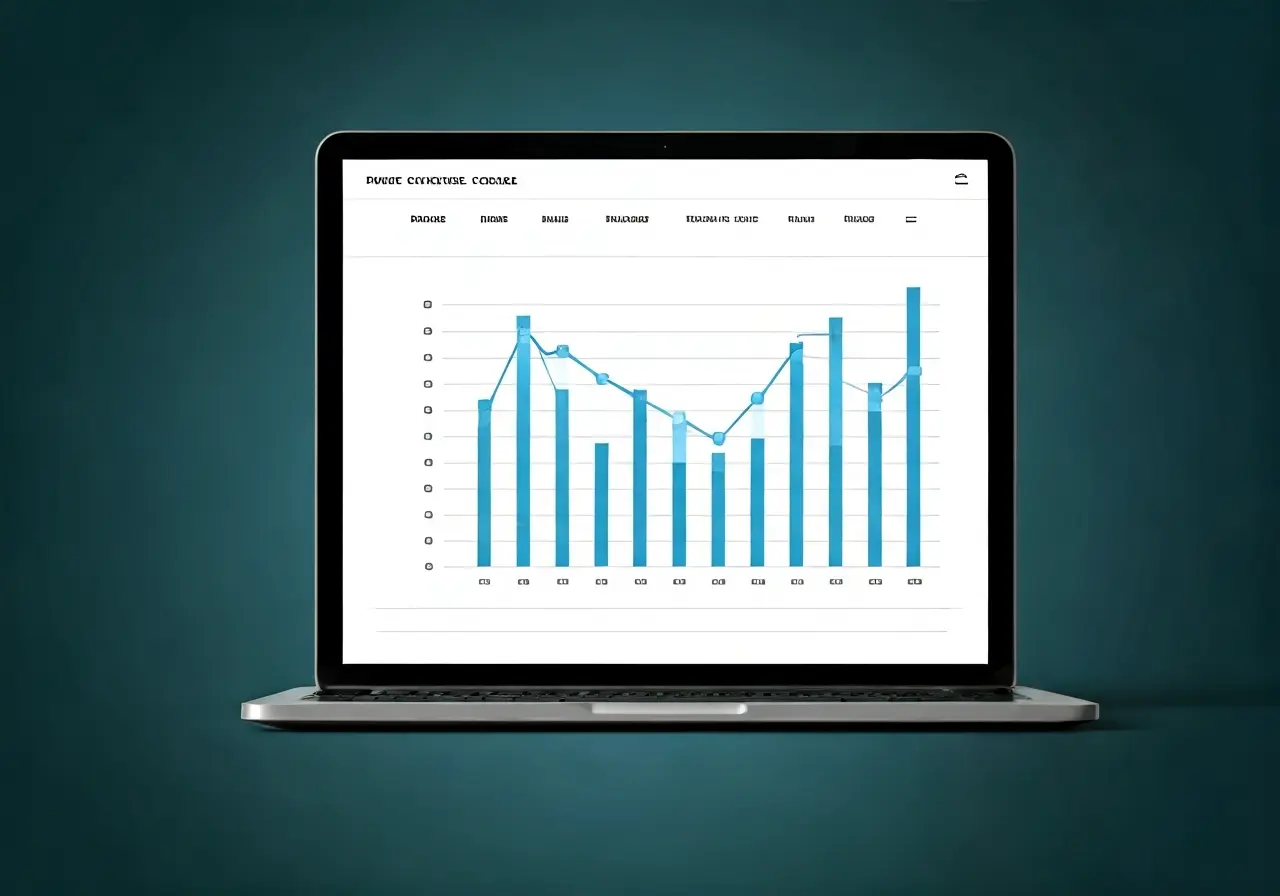
A modern website displaying interactive graphs and charts. 35mm stock photo

1. Enhancing User Engagement

Interactive tools such as quizzes, surveys, and polls actively engage users, making their experience more enjoyable and keeping them on your site longer. This increased engagement is critical in today’s competitive landscape where attention spans are fleeting. These tools not only attract user attention but also create a sense of participation. By being part of a dynamic experience, users are more likely to return, further boosting engagement metrics over time.

The essence of a thriving website lies in its ability to captivate. With elements like interactive calculators or customizable product options, users feel they are part of a narrative, leading to deeper investment in the brand. Moreover, offering choices within these tools can result in better user satisfaction, driving both direct and word-of-mouth engagement.

2. Improving User Experience

With features like interactive maps and chatbots, users can find information easily and efficiently, leading to a better overall experience. These tools provide immediate assistance, minimizing wait times and reducing frustration. When visitors understand they can quickly interact to get what they need, their perception of your website drastically improves, and they’re more likely to complete their desired actions during their visit.

Moreover, integrating virtual tours or immersive walkthroughs can enhance the user journey. These innovative tools make navigation intuitive and engaging. For businesses in sectors like real estate or tourism, offering a detailed visual experience can significantly enhance user satisfaction by providing clear, vivid representations of spaces or destinations.

3. Facilitating Better Communication

Interactive tools open a channel for feedback and interaction, allowing you to better understand and respond to your clients’ needs. Features such as live chat support offer real-time communication, addressing user queries instantly and fostering a more personal connection. This two-way communication establishes trust and shows prospective customers that their input is valued.

Moreover, platforms with discussion forums or comment sections enable an ongoing dialogue with users. They create a community around your brand, encouraging users to share experiences, ask questions, and provide suggestions. This continuous interaction not only informs development and optimization efforts but also enhances user loyalty.

4. Increasing Conversion Rates

By engaging users meaningfully, interactive tools can guide them through the buyer’s journey and ultimately increase conversion rates. Tools such as interactive product demos enable users to visualize how a product or service could fit their needs, making decisions easier and more informed. Customers who can see a product in action—or even virtually try before they buy—are more likely to proceed to purchase.

Interactive tools that collect detailed user preferences also offer personalized shopping experiences, catering to visitor interests more precisely. This level of personalization can transform browsers into buyers, reducing the bounce rate and boosting overall conversion metrics.

5. Personalizing User Experience

With the help of interactive tools, websites can offer personalized experiences based on user interactions, fostering a stronger connection with each visitor. These tools gather user data and preferences seamlessly, tailoring content to individual tastes and providing recommendations aligned with specific interests. This level of personalization can create a journey that feels unique and special to each visitor, enhancing loyalty and satisfaction.

6. Strengthening Brand Recognition

Unique interactive elements distinguish your brand and help create a memorable impression that sets you apart from competitors. By integrating custom-built interactive features that resonate with your brand identity, you can make lasting impressions. This not only aids in retention but encourages sharing, as users often like to talk about or share unique experiences they’ve had online.

7. Enabling Real-Time Analytics

Interactive tools provide instant feedback and data, allowing businesses to adapt strategies quickly to meet user expectations. With detailed insights into user interactions, preferences, and behavior, companies can make data-driven decisions that positively influence website performance. This swift adaptability is crucial in keeping content relevant and engaging, ensuring continued user interest.

8. Boosting Social Media Sharing

Interactive content is more likely to be shared on social media platforms, increasing your reach and potentially driving more traffic to your site. Users are naturally inclined to share engaging content that stands out. By including shareable interactive elements, such as quizzes or polls, you encourage users to promote your site organically, tapping into their networks and broadening your audience.

9. Promoting User-Generated Content

Encouraging users to create and share content on your site can provide valuable social proof and increase user engagement. Platforms that allow users to showcase their creativity or opinions—like blogs, review sections, or image galleries—foster a community atmosphere and enhance credibility. This social proof is powerful; recommendations from peers are often trusted more than traditional advertising.

10. Supporting Learning and Education

Interactive tutorials and e-learning modules offer an engaging way for users to learn about your products or services. These tools can transform complex concepts into digestible, enjoyable education experiences. For industries focused on training and development, such resources significantly increase understanding and retention of information among users.

11. Creating a Seamless Mobile Experience

Interactive tools optimize the mobile experience, ensuring your site is user-friendly regardless of the device being used. Given the increasing number of users accessing sites via mobile devices, it’s critical that these interactions are smooth and intuitive. Well-designed interactive features cater to mobile users by providing swift load times and easy navigation, enhancing the overall mobile usability.

12. Facilitating Virtual Reality Experiences

With advancements in technology, interactive tools can include virtual and augmented reality, providing innovative ways to showcase products. By allowing users to immerse themselves in 360-degree product views or virtual settings, businesses can offer novel experiences that transcend standard web interactions. This level of innovation can captivate audiences, particularly in industries like real estate or architecture.

13. Encouraging Repeat Visits

By offering fresh and interactive content, users are more likely to return to your website, increasing visitor loyalty. Continuously updating interactive tools not only keeps content relevant but also holds user attention over time. Repeat visitors are indicative of brand loyalty and often lead to higher conversion rates, making the investment in interactive tools worthwhile.

14. Enabling Personalized Recommendations

By analyzing user interactions, you can offer tailored recommendations that enhance their journey and lead to higher satisfaction. Sophisticated algorithms can evaluate user behavior to suggest products or content that aligns with their preferences, creating a unique experience for each visitor. This attention to detail can significantly amplify user satisfaction and foster brand loyalty.

15. Simplifying Complex Information

Interactive infographics and visualizations help break down complex data, making it more digestible and engaging for users. By transforming statistics, trends, or research findings into interactive elements, you can ensure comprehension and retention with ease. These resources empower users to explore data at their own pace, making learning intuitive and enjoyable.

15 Tips to Elevate Your Creative Website Design

Creating a website that’s not just functional but also aesthetically pleasing can feel like a balancing act. Whether you’re starting from scratch or sprucing up an existing site, these tips will help you enhance your creative web design effectively.

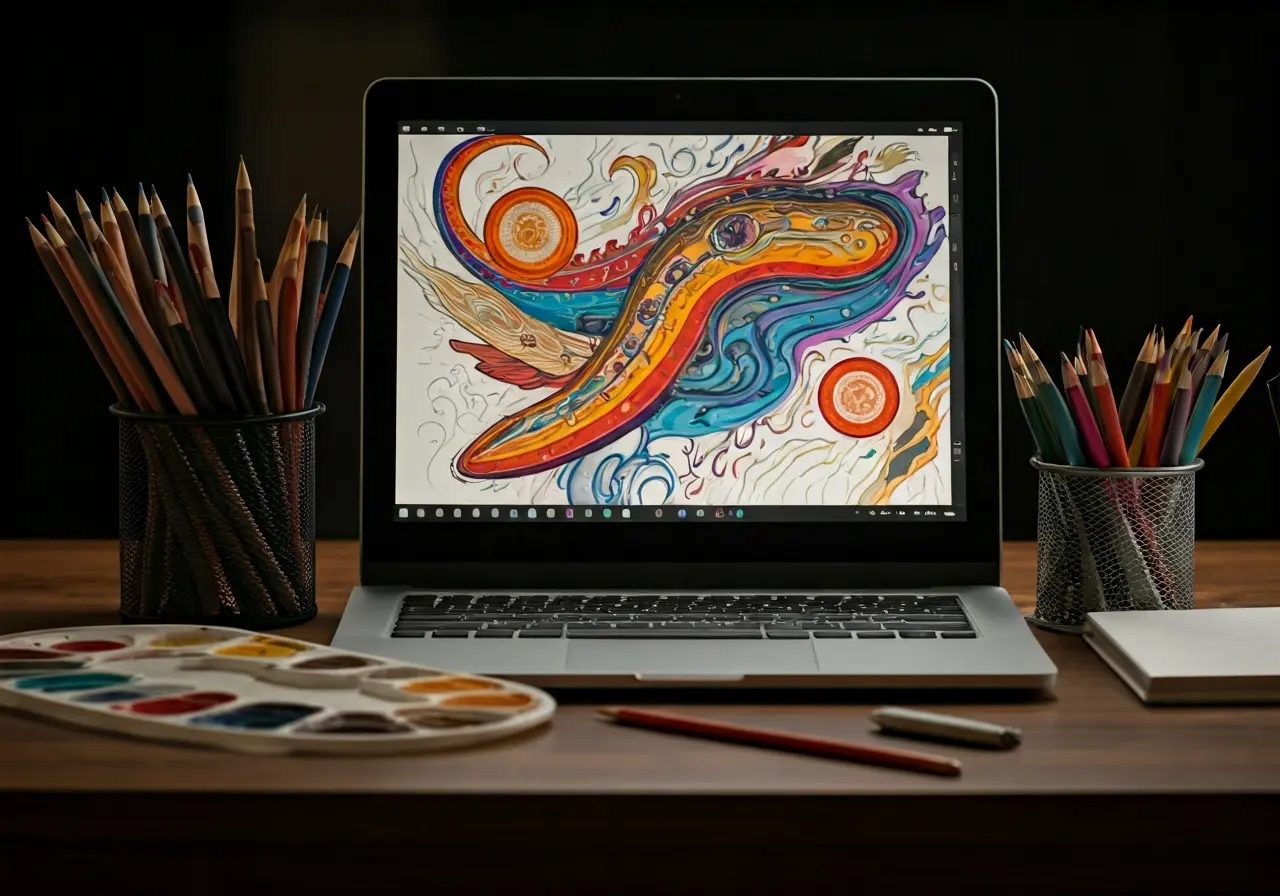
A vibrant, colorful abstract design on a digital screen. 35mm stock photo

1. Embrace Minimalism

Less is more. A minimalistic design can bring focus to your content and make navigation a breeze for users. Minimalism isn’t just about reducing content; it’s about enhancing what’s left by removing distractions and showcasing essential elements. By stripping down to the basics, you allow users to focus entirely on the primary messages or products you want to highlight. In doing so, you also improve the overall user experience and loading time, creating a win-win scenario.

In a world filled with digital noise, minimalist websites can be a breath of fresh air. The architecture of minimalist design typically relies on whitespace, bold typography, and clear navigation. Each element is deliberate, designed to guide the user’s journey effectively. Implementing minimalism doesn’t mean your site will look bare; rather, it encourages clarity and simplicity, prompting users to engage with your site more meaningfully.

2. Use White Space Wisely

White space, or negative space, helps to declutter your design, giving your website a clean and organized look. It creates a buffer around elements, allowing them to breathe and draw attention to what truly matters. Proper use of white space not only improves readability but also impacts the site aesthetically, making it more attractive and legible. Think of white space as a stylish frame around a picture, which enhances the beauty and importance of the artwork itself.

While it might seem like an empty or unused space, effective white space can drive a message home. It can indicate the start and end of elements, and guide the viewer’s eye throughout the page seamlessly. This spatial device also contributes to creating a balanced and harmonious design, minimizing the feel of clutter and improving the user experience. The strategic application of white space can differentiate a good site from an exceptional one, ensuring that users remain engaged.

One effective application is between paragraphs and around blocks of text. It allows users to absorb information without feeling inundated. White space can also spotlight calls-to-action, making them more compelling by providing a visual rest stop, emphasizing their importance. Integrating white space into your design strategy doesn’t entail adding elements but rather refining the ones you have, enhancing their individual impact and the site’s overall functionality.

3. Craft Engaging Visuals

Visual elements, like images and icons, can enhance the storytelling of your website when used thoughtfully. They are powerful tools that can convey messages more effectively than words alone. Compelling visuals capture user attention and can trigger emotional responses, making content more memorable. Always opt for high-quality, relevant images and ensure they align with your brand identity to maintain consistency across your website.

Icons are another unassuming yet profound way to enhance your site’s design. They can replace lengthy texts and guide users intuitively, making navigation seamless. When users find what they are looking for visually, their interaction with your website becomes more satisfying. Choosing the right visuals involves understanding your audience’s preferences and the message you wish to convey. This conscious effort leaves a lasting impression, encouraging repeat visits and engagement.

4. Ensure Responsive Design

A responsive design ensures that your website looks great on any device, from desktops to smartphones. As more users access websites through varying devices, responsive design has become a critical element of modern web development. It involves building flexible layouts that adjust seamlessly to the screen size, orientation, and platform being used. This adaptability ensures a consistent user experience that enhances satisfaction and engagement.

Responsive design also supports your site’s SEO because search engines like Google prioritize mobile-friendly websites in search rankings. By optimizing for all devices, you not only widen your audience reach but also increase your website’s visibility. The simplicity in responsive design means you’re not creating multiple versions for different device types; instead, you’re ensuring a cohesive experience that saves time and resources. This proactive approach helps cater to every user, wherever and however they access your site.

5. Choose a Consistent Color Palette

Consistency in color usage can strengthen your brand identity and create a cohesive visual experience. Colors evoke emotions and associations, making them a potent tool in website design. When chosen mindfully, a color palette brings out the essence of your brand while offering a pleasant visual journey for users. Remember, too many colors can develop chaos, whereas a well-chosen palette nurtures balance and harmony.

Consider color psychology when selecting your palette; each hue can subtly influence user perceptions and reactions. For instance, blue often signifies trust and reliability, whereas red can denote passion and urgency. Aligning your site’s colors with the overall brand message leads to a more integrated design. Beyond aesthetics, this consistency fosters familiarity, which is key in building user trust and brand loyalty, crucial elements for sustained user interaction.

6. Optimize Typography for Readability

Choose fonts carefully to make sure your content is easily readable while still reflecting your creative style. Typography sets the tone for your website, guiding the user’s reading experience. A well-thought-out selection can differentiate information, create hierarchy, and guide the eye effortlessly. Readability is paramount; avoid overly decorative fonts for body text and ensure there is ample contrast between text and background to improve legibility.

Pairing fonts can add layers of interest to your design but requires subtlety and balance. A good rule of thumb is to pair a serif font with a sans-serif font, which creates a good contrast without overwhelming the visitor. Font size and line height also play a critical role; ensure there’s enough space between lines to make text digestion easier. By enhancing the readability of your typography, you create an inviting atmosphere that encourages users to explore and engage deeply with your content.

7. Incorporate Interactive Elements

Interactive elements like hover effects or animated transitions can engage users and add dynamism to your site. These features provide an added dimension that transforms standard browsing into an interactive experience. A well-placed animation can highlight important messages or guide users towards specific actions, like clicking a button or filling out a form. They create a narrative flow that adds excitement and retains attention.

However, moderation is key. Overloading your site with animations can slow down loading times and distract from important information. Instead, think about the user journey and what animations can complement it. A subtle hover effect on buttons might be a gentle nudge for a user to take action. Thoughtfully placed interactive features can elevate user engagement, leaving a lasting impression that encourages return visits and deepens the connection between your brand and its audience.

8. Utilize Grids and Alignment

Grids ensure a balanced layout, helping to guide the viewer’s eye and maintain structural harmony. By aligning elements, you create a cohesive visual flow that enhances clarity and simplicity in navigation. Grids can bring structure to complex designs, ensuring every piece of content has its rightful space and function, therefore improving the user journey.

A well-executed grid layout can significantly alleviate the cognitive load on users as they consume content. This approach grants order—a psychological comfort that simplifies choices and prompts engagement. Flexibility within the grid system also promotes creative design tweaks, enabling you to maintain functionality while innovating within defined boundaries. Using grids reinforces a sense of professionalism and attention to detail that users subconsciously appreciate and navigate naturally.

9. Focus on Intuitive Navigation

A straightforward navigation system enhances user experience and helps visitors find information quickly. The goal of intuitive navigation is to assist users in locating desired content with minimum effort. Simple and logical menus, clear labels, and a well-structured layout all contribute to seamless navigation. This ensures that visitors stay longer, explore more page content, and have a pleasant browsing experience.

An effective navigation system should mimic a map that guides users through the website terrain effortlessly. Strategies like breadcrumbs or sticky headers provide context and convenience, ensuring users don’t feel lost. Additionally, implementing a responsive navigation design that adapts smoothly to various devices can enhance accessibility and inclusivity, making the site more usable for diverse audiences. Prioritizing intuitive navigation not only impacts visitor satisfaction but also plays a crucial role in achieving key business conversions.

10. Integrate Storytelling

Storytelling through your design can create a memorable visit and keep users engaged with your content. Crafting a narrative around your brand and content can transform the user experience from passive consumption to active participation. Visual storytelling elements like infographics, videos, and narrative slides can articulate your message in a compelling manner that resonates with users on an emotional level.

A well-told story not only captures interest but also builds trust and loyalty, crucial elements for a brand. Incorporating storytelling in design involves more than just text; it’s a synthesis of visuals, layout, and narrative flow that harmoniously aligns with your brand values. By enabling your audience to form a personal connection with your site through storytelling, you foster an environment where users feel understood and valued, solidifying long-term engagement and advocacy.

When users feel part of a narrative, they are more likely to engage and ultimately convert. Leverage storytelling techniques to highlight your unique selling propositions or to share testimonials. This approach not only differentiates your site but makes the experience memorable enough to prompt users to return and share your story, extending your brand’s reach organically.

11. Leverage Color Psychology

Using color psychology can evoke emotions and set the mood, helping to convey the right message to your audience. Different colors evoke different emotional responses; therefore, applying them strategically can enhance your site’s appeal and effectiveness. For instance, using warm colors might stimulate activity, while cooler tones could promote calmness and relaxation.

Colors have subtleties and nuances that can steer user responses, making careful selection crucial in aligning with your brand’s intent. Combine colors that fit with your brand personality and intended emotional impact. By aligning color schemes with your brand’s message, you fortify user perception and narrative consistency across your online presence. The inner workings of color psychology can be highly nuanced, but tackling it with informed intention can boost brand relatability and retention significantly.

12. Prioritize Loading Speed

A fast loading time can significantly improve user experience and reduce bounce rates. Slow website speed can be a deterrent, leading users to exit prematurely. Prioritizing speed involves optimizing images, leveraging browser caching, and minimizing unnecessary plugins or scripts, all of which contribute to faster load times, improved SEO, and increased user satisfaction.

Every second counts in web design, with even slight delays resulting in a noticeable drop in visitor retention and satisfaction. Users today expect speed, as it directly correlates with efficient service delivery. Ensuring efficient load times not only affects user satisfaction but also impacts search engine ranking positively. By investing in page speed optimization, you foster a user-centric approach that paves the way for future engagement and potential conversion opportunities.

13. Utilize High-Quality Images

High-quality images can capture attention and improve the overall aesthetics of your website. With an ever-increasing push for visual literacy, images have become a pivotal component of web design. Yet, the quality of images matters as much as their content. High-resolution images speak volumes about attention to detail and professional standards, engendering trust and credibility with a visual appeal.

Well-chosen images tell a story and create a mood that text alone might not convey. They should be meticulously selected to reflect the brand’s voice and resonate with your target audience. The framing, lighting, and composition of images can evoke specific emotions, ensuring that your visual content is consistent with the overall site message. This strategic selection enhances user engagement, making your content not only visually stunning but also significantly more impactful.

14. Implement Clear Call-To-Actions

Clearly defined call-to-action buttons guide users towards desirable actions, improving conversion rates. Every website should have clear CTAs that tell the visitor what to do next—be it to subscribe, purchase, register, or any other desired action. They are fundamental in the customer journey, acting as nudges that propel users towards a goal. The language used, placement on the page, and even the button’s color contribute to its effectiveness.

Creating urgency or providing descriptive actions in your CTAs can significantly increase click-through rates. Phrases like ‘Get Started Now’ or ‘Join Us’ not only instruct but motivate. Strategic placement is crucial; consider CTAs on prominent places like landing pages or after compelling testimonials. By fine-tuning these elements, you optimize user flow, turning casual visitors into loyal customers who engage with your brand meaningfully.

15. Update Content Regularly

Regularly updating your site with fresh content keeps it relevant and encourages repeat visits. Users seek new and engaging material; failing to provide this can result in reduced traffic and engagement. By offering up-to-date content, you keep your audience informed and engaged, fostering a trustworthy relationship that extends beyond a single interaction.

Frequent updates offer ample opportunities to incorporate new insights, trends, or company changes, consistently providing value to your audience. This continuous content refresh not only extends the lifespan of your site but reinforces your authority within your field. Engaged users are more likely to return, subscribe, and interact, making content updates a valuable component of retention strategies and ongoing relationship-building efforts.

Your Work Shoes Are Crying for Mercy

Your Productivity Hacks Are Actually Time Wasters

Your Personal Brand Needs a Shower

Your Password Is Garbage

Your Office Chair Wheels Scream for Replacement