TurnCage empowers small and midsize businesses, entrepreneurs, solopreneurs, artist, and more to create a fully SEO’d multi-page website in minutes. TurnCage designs, develops, writes, publishes, hosts, and maintains your website for one monthly fee.

Why is Unique Design Important for Small Businesses?

In the competitive world of small businesses, standing out from the crowd is crucial. With countless competitors vying for attention, having a unique design can make all the difference. This blog explores why unique design is important and how it can benefit your small business.
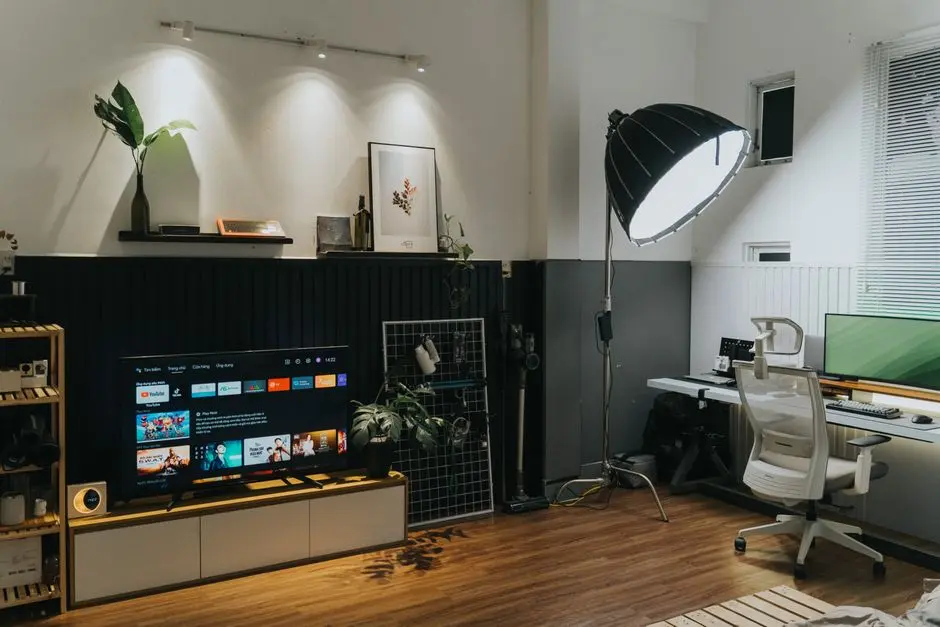
Stylish home office and living room space featuring modern furniture and contemporary design elements.

Enhancing Brand Identity

A unique design helps establish and reinforce your brand identity, ensuring that your business is memorable and recognizable among consumers. By crafting a distinctive logo, consistent color palette, and cohesive visual theme, you embed your brand into the minds of your audience. When customers see your design, they immediately associate it with your products and services, fostering brand trust and loyalty.

Furthermore, a well-designed brand identity can convey the values and personality of your business. For instance, a playful and vibrant design can suggest creativity and approachability, which might attract a younger audience. On the other hand, a sleek and modern design might appeal to a more mature and professional demographic. Tailoring your brand identity to match your target audience can greatly enhance the effectiveness of your marketing efforts.

Attracting and Retaining Customers

Customers are more likely to be drawn to businesses that have visually appealing and distinctive designs, leading to increased retention and loyalty. Distinctive design elements like vibrant imagery, clean layout, and innovative features capture attention and foster an emotional connection with your audience.

Having a visually appealing design also helps in creating a memorable first impression. When potential customers visit your website or physical storefront, the initial aesthetics can determine whether they choose to engage further. A beautifully designed interface encourages exploration and increases the chances of conversion. Additionally, by maintaining a consistent and engaging design across all touchpoints, you reassure customers of the reliability and value of your brand.

Standing Out in a Competitive Market

With unique design elements, small businesses can differentiate themselves from competitors, making them more appealing to potential customers. In a crowded market, where countless businesses offer similar products or services, your design can be the factor that captures attention and piques curiosity.

Consider the impact of good design on marketing campaigns. Eye-catching visuals draw more attention in a digital space cluttered with content. Whether it’s a banner ad, social media post, or promotional email, a creative design can significantly increase click-through rates and engagement levels. A unique design can be a powerful tool in cutting through the noise and delivering your message effectively.

Additionally, incorporating interactive elements or unique user interfaces in your digital platforms can provide an edge over competitors. When thinking about customer engagement, it pays to invest in design features that not only look good but also enhance usability and interactivity, leading to a more meaningful connection with your brand.

Improving Customer Experience

Thoughtful and unique designs contribute to a better user experience, which can lead to positive reviews and word-of-mouth recommendations. A user-friendly interface, coupled with an aesthetically pleasing design, makes it easier for customers to navigate your site, find what they need, and enjoy their shopping journey.

Design is not just about looks; it’s also about functionality. For example, intuitive design can reduce the time customers spend searching for information, making their experience smoother and more enjoyable. Features like easy navigation, clear calls-to-action, and fast-loading pages are critical in retaining customer interest. The less effort a customer has to expend, the more likely they are to complete a purchase or engage with your service.

Moreover, a unique design offers the opportunity to engage customers on an emotional level. Personalized and thoughtful design elements can evoke emotions and create memorable experiences that resonate beyond the initial interaction. By focusing on user experience, small businesses can turn visitors into loyal customers.

Building Professionalism and Trust

A cohesive and unique design demonstrates professionalism, which builds trust with customers and increases the perceived value of your products or services. When a company’s design is polished and professional, it suggests attention to detail and a commitment to quality.

Trust is a fundamental factor in customer relationships. A cohesive design ensures consistency in message and presentation, reinforcing customer trust. From the business cards you hand out to the emails you send, maintaining a consistent design theme shows customers that you take your brand seriously and are dedicated to providing a quality experience. This professionalism is often seen as a reflection of the quality and reliability of your products or services.

Investing in a unique design also reflects your dedication to the business, showing that you are serious about what you do. Whether it’s the choice of typography, the design of your packaging, or the layout of your website, every design decision contributes to the overall perception of your brand. By exhibiting a strong design identity, you communicate a compelling and consistent message of trust and professionalism.

Embrace Unique Design for Long-Term Success

Incorporating unique design elements into your small business strategy can significantly impact your brand recognition, customer engagement, and overall success. By investing in quality design, you not only differentiate your business but also create lasting impressions that lead to customer loyalty.


What Is an AI Website Generator and How Does It Work?

In today’s digital world, having a website is crucial for individuals and businesses alike. But creating a website from scratch can be both time-consuming and technically challenging. This is where AI website generators come into play. They promise to simplify the process, making it accessible to everyone, even those without any coding knowledge. In this blog, we’ll explore what AI website generators are and how they work.
A robotic hand reaching into a digital network on a blue background, symbolizing AI technology.

Understanding AI Website Generators

AI website generators are tools powered by artificial intelligence that help users build websites without needing technical skills. They use machine learning algorithms to design and develop web pages based on user inputs and preferences.

At the core, these generators leverage the power of algorithms to interpret user requirements, transforming vague ideas into full-fledged web solutions. This approach is not only convenient but also efficient, eliminating much of the trial and error usually associated with website building.

What’s fascinating is how these tools continuously evolve, adapting more intricate web design elements and applying best practices to enhance user experience. The constant evolution reflects in their capability to cater to diverse industries and personal needs.

How Do AI Website Generators Work?

These tools gather information from the user, such as content type, preferred layout, and color schemes. Then, the AI analyzes this data and automatically creates a website that meets these specifications, often in just a few minutes.

The process begins with a simple questionnaire or wizard that captures your vision for the site. This includes textual content, preferred visual styles, and functional features. Once the data is collected, the AI compiles it into actionable insights, using templates and code generation techniques to produce a cohesive website.

Behind the scenes, deep learning models process massive datasets of previous designs and user interactions, ensuring the output is not just innovative but also user-friendly. This dynamic process allows the generator to tailor websites that not only meet but exceed client expectations.

Furthermore, the adaptability of AI website generators lies in their intuitive nature; they can adjust effortlessly to modifications and upgrades in real-time. This flexibility makes it quite alluring to freelancers and businesses alike.

Benefits of Using AI Website Generators

The primary benefits include saving time, reducing costs, and eliminating the need for coding knowledge. AI website generators often come with templates that are easily customizable, allowing for quick adjustments and updates.

In addition to the cost and time efficiency, users benefit from enhanced creative freedom. With access to a variety of templates and customization options, the generated website is unique and catered to specific tastes or brand identities.

Another advantage is accessibility. This technology democratises web development, offering small businesses a chance to establish an online presence on par with major enterprises. This levels the playing field, allowing creativity and quality to shine through irrespective of a company’s size or budget.

By removing barriers traditionally associated with web development, AI website generators empower users to focus on what truly matters—content and engagement. This shift encourages businesses to allocate more resources to drive traffic and conversion, capitalising on their new, seamless digital platforms.

Is an AI Website Generator Right for You?

These tools are ideal for small businesses, freelancers, and individuals who need a professional-looking website without the financial and time investment of hiring a web developer.

If you’re seeking a hassle-free solution to establish an online presence, an AI website generator might be your best bet. It offers automation and innovation, perfect for those who lack the technical know-how or the time to delve into coding and design intricacies.

Furthermore, for entrepreneurs aiming to put their ideas out fast and first, these tools remove procrastination barriers. They greatly enhance productivity by offloading the technical legwork, as seen on platforms transforming various digital landscapes with AI technology.

However, it’s essential to assess your needs. If your project demands bespoke functionalities or intricate integrations, you might eventually hit limitations. In such cases, consider consulting a web expert for tailor-made solutions.

Wrapping It Up: The Future of Website Creation

AI website generators represent a groundbreaking shift in how websites are built, making website creation more accessible than ever before. By leveraging the power of artificial intelligence, these tools are not only saving time but also providing high-quality designs at the click of a button. Whether you’re a small business owner or an enthusiastic blogger, AI website generators open up new possibilities in the digital landscape.

How Unique Design Impacts SEO and User Engagement

In today’s digital world, simply having a website isn’t enough. To truly stand out, your website has to be as engaging as it is informative. Unique design is the secret weapon that can elevate both your SEO and user engagement simultaneously. Let’s explore how it all works.
A laptop displaying a colorful, graphically-designed SEO report. 35mm stock photo

Understanding Unique Design in the Digital Landscape

Unique design refers to the distinct visual elements and layout that set a website apart. It’s not just about looking different but about creating an experience that reflects a brand’s identity and captivates visitors.

In a world where countless websites vie for attention, the importance of crafting a memorable digital presence cannot be overstated. Unique design weaves together visual aesthetics with user-friendly navigation to form a coherent narrative about your brand. By capturing the essence of what makes your business special, it engenders an emotional connection with visitors, encouraging them to explore more deeply and, ultimately, enhancing customer loyalty.

Furthermore, unique design helps in establishing trust and credibility. When users land on a visually appealing site, there’s an inherent assumption of professionalism and attention to detail. This initial impression can significantly influence a user’s decision to explore further, showcasing how crucial first impressions are in the online ecosystem. As users navigate your site, they’ll appreciate a seamless journey, all thanks to a thoughtful and distinct design that aligns with their expectations and your brand’s ethos.

The Role of Design in Search Engine Optimization

Unique design can significantly impact SEO by enhancing user experience (UX), which search engines consider when ranking sites. A well-designed site makes navigation intuitive, reduces bounce rates, and increases time spent on the site.

Search engines like Google prioritize websites that offer a superior user experience. As part of this, a unique design plays a pivotal role in improving page load speeds and mobile responsiveness, both essential factors for SEO. Websites that are optimized for all devices and have coherent design languages are often favored in search results, leading to increased visibility and higher rankings—all vital for attracting organic traffic.

Additionally, unique design elements such as alt text for images and structured data can further boost a site’s SEO performance by providing search engines with relevant information about the content. This not only enhances the website’s organic visibility, ensuring it appears in relevant searches, but also amplifies its reach to users actively seeking the products or services offered.

Increasing User Engagement Through Creative Design

A unique design keeps users engaged by making content more accessible and enjoyable. Features such as interactive elements, simple navigation, and appealing visuals encourage users to interact more with the website.

The heart of user engagement lies in the intuitiveness of a website’s design. When users can find what they need with minimal friction, they’re more likely to stick around. Creative designs foster an inviting atmosphere where users feel welcomed and motivated to dig deeper. For instance, a strategically placed call-to-action combined with visually captivating images can entice users to explore related content further.

Furthermore, employing personalized design elements such as custom icons or bespoke animation enriches the user experience by offering something they won’t encounter elsewhere. These unique touches are often the delightful surprises that users remember, making them likely to return or even recommend the site to others.

Balancing Aesthetics and Functionality

While unique design is crucial, it’s important to make sure that aesthetics do not compromise functionality. The key is to design a website that is not only beautiful but also highly functional and easy to use.

Achieving a symbiotic relationship between aesthetics and functionality requires thoughtful consideration of user pathways. While striking images or vibrant color schemes can catch the eye, their presence should never overshadow the ease of navigation or the simplicity of content discovery. For example, using too many flashy graphics can slow down load times, detracting from the overall user experience and severely impacting SEO.

One approach to balancing these elements is iterative design testing, which involves continuously gathering user feedback and refining the design to meet their needs better. This process not only helps maintain usability but also ensures the design evolves in tandem with emerging trends and technologies, keeping the website fresh and relevant.

Case Studies: Successful Unique Design Implementations

Learn from examples of brands that have successfully utilized unique design to improve their SEO rankings and user engagement. These case studies provide valuable insights into what works and why.

One notable example is a prominent tech company that overhauled its website with a focus on minimalistic design and clear calls to action. By integrating consistent typography with concise messaging, the redesigned site witnessed a 40% increase in user retention and a significant boost in social media engagement. This showcases the impact of aligning user expectations with innovative design principles.

Another fascinating case is a retail brand that embraced bold visuals and interactive features. Their choice to invest in a distinct visual language led to a 60% drop in bounce rates and a notable climb in search engine rankings, illustrating the profound influence of creative design on digital success.

Harnessing the Power of Unique Design

Effective unique design is more than just aesthetics; it’s a critical element in enhancing SEO and boosting user engagement. By understanding the dynamic relationship between design and digital marketing, businesses can create websites that not only attract visitors but also convert them into loyal customers.

How Can Unique Design Enhance User Experience on Your Website?

In today’s digital age, your website is often the first impression potential customers have of your business. A unique design not only makes your website visually appealing but also enhances user experience, making it more engaging and effective. This blog will guide you through the impact of unique design and how it can benefit your website.
A colorful, abstract website wireframe on a digital tablet. 35mm stock photo

What is Unique Design?

Unique design refers to creating a website that stands out through distinctive aesthetics and functionality. It’s about blending creativity with user-centric elements to deliver an exceptional online experience.

Think of unique design as the signature style that reflects your brand’s personality. In a digital landscape cluttered with similar-looking websites, a unique design ensures your site doesn’t just become another face in the crowd. It’s your chance to tell a story aesthetically and functionally, setting a tone that resonates with your target audience and helps in building a strong and authentic online presence.

Beyond appearance, unique design integrates innovative features that enhance usability. This seamless fusion of form and function means visitors enjoy an intuitive navigation path, encouraging longer site interactions and increased conversion potential.

Why Does Unique Design Matter?

A unique design is crucial because it helps differentiate your website from competitors, captures users’ attention, and fosters a memorable brand identity. This, in turn, can lead to increased user engagement and retention.

One pivotal reason is that first impressions matter. Studies show that it takes just a few seconds for users to form an opinion about a site based solely on visual appeal. A unique design captivates instantly, prompting visitors to explore further and engage more deeply with your content.

Unique design also plays a vital role in user trust and credibility. When users encounter a meticulously designed site, it’s perceived as an indicator of professionalism and reliability, laying the groundwork for trust and potentially influencing purchase decisions.

How to Implement Unique Design Elements

Implementing unique design elements involves incorporating creative visuals, interactive features, and intuitive navigation. Ensuring a consistent brand message across all design aspects enhances user familiarity and trust.

Start by assessing your brand’s core values and how they can be visually represented. Use distinct color palettes and typography that align with your brand identity. A consistent yet creative approach not only beautifies the user interface but also reinforces brand recall.

Interactive features like animations or scroll-triggered elements can add a layer of dynamism to the user experience. Such components keep users engaged, offering interactions that feel less like browsing a static page and more like partaking in an engaging journey through your brand’s story.

Measuring the Impact on User Experience

To understand the effectiveness of your unique design, use analytics tools to track user engagement, bounce rates, and conversion rates. These metrics provide insights into how well your website is performing from a user experience standpoint.

Analytics can help you discover the paths users typically follow on your site, identifying friction points where users drop off. This data is invaluable for continual design refinement, ensuring the experience remains user-centered.

Moreover, feedback tools such as surveys and user testing can give you qualitative insights. Understanding user sentiment and behavior is key to making informed decisions regarding design updates, to further enhance usability and satisfaction.

The Power of Unique Design in User Experience

Crafting a unique design for your website is not just about aesthetics. It’s about creating a user-friendly environment that not only attracts visitors but also keeps them engaged, leading to increased customer satisfaction and retention. By understanding and implementing unique design elements, you can enhance the overall user experience on your website.

Navigating AI Tools for a Truly Unique Design Experience

In today’s fast-paced world of design, incorporating AI tools can revolutionize the way we create. These tools can help streamline processes and offer fresh inspiration, but navigating them can sometimes feel daunting. In this blog, we’ll explore how to leverage AI tools to ensure your design experience remains unique and personalized.
A creatively designed workspace filled with colorful design tools. 35mm stock photo

Understanding the Role of AI in Design

AI tools are increasingly becoming integral to the design world. They can analyze massive amounts of data and offer design solutions that would take humans days to figure out. Understanding the role of AI in design can help you harness its capabilities effectively.

Imagine having a creative assistant that never tires, constantly sifting through trends and preferences to provide fresh design perspectives. That’s the magic of AI in today’s creative fields. AI doesn’t just help streamline tedious tasks; it opens up new realms of possibilities, offering a smorgasbord of imaginative concepts. For example, AI algorithms can process vast datasets to pick out patterns and insights that might go unnoticed by the human eye, providing designers with invaluable backdrops on which to paint their ideas.

Choosing the Right AI Tools for Your Needs

With a plethora of AI design tools available, it can be overwhelming to choose the right one. Consider the specific needs of your project, whether it’s enhancing creativity, speeding up repetitive tasks, or providing design insights, to make a well-informed decision.

Every designer knows that the right tool can make all the difference. When it comes to AI, the variety is as vast as the design possibilities themselves. For those looking to accelerate the creative process, tools that leverage machine learning can offer new avenues for innovation. Meanwhile, if efficiency is your goal, platforms specializing in rapid prototyping and iterative design might be the ticket. The key is to align the tool with your creative objectives and workflow.

Integrating AI Without Losing Your Personal Touch

One major concern with AI is the potential loss of individuality in design. It’s crucial to integrate AI in a way that complements rather than compromises your unique style. This section provides tips on maintaining your personal design aesthetics while using AI.

The balance between maintaining originality and utilizing AI is a delicate one. AI can be your copilot, enhancing your designs with new layers of depth and richness. However, maintaining your unique voice means actively curating and guiding these tools. By setting clear parameters and knowing when to step in creatively, you can ensure your designs are distinctly yours. Encourage your personal style to shine through by integrating AI as a tool to amplify your vision, rather than replace it.

A useful strategy can be creating a mood board that resonates with your aesthetics. This board can act as a compass guiding AI suggestions toward designs that genuinely reflect your identity. Using platforms that allow blending of traditional and modern design techniques can ensure the unique qualities of your work shine brighter. Embrace AI as a partner in documenting inspirations and heightening creativity while keeping the core of your design authentic.

Real-world Examples of AI-Driven Design

Explore how successful designers are using AI to their advantage. This section highlights real-world examples where AI has played a pivotal role in creating stunning and unique designs, providing inspiration for your projects.

AI-driven innovations are making waves across the design world. In fashion, companies are utilizing AI to predict trends and automate the design process, leading to sustainable and chic collections. Meanwhile, in graphic design, AI is used to create personalized marketing materials that are both dynamic and aligned with individual consumer preferences. These examples show that AI’s role is not to dictate creativity but to expand its possibilities.

For instance, a prominent interior design firm has harnessed AI to visualize unique space layouts, helping clients see multiple design pathways they hadn’t previously considered. This not only enhances client satisfaction but also streamlines the design process significantly. It’s instances like these that illustrate AI’s potential to not just influence but revolutionize how we approach digital and physical spaces.

The Future of AI in the Design Industry

AI technology is rapidly evolving, and its potential in the design industry is immense. In this section, we delve into future trends and possibilities, helping you stay ahead in the ever-evolving design landscape.

With the accelerated pace of AI’s development, we are on the brink of an era where design could become a seamless collaboration between human intuition and machine precision. Future trends suggest more immersive AI experiences, with tools capable of understanding and predicting user preferences with uncanny accuracy. This synergy between AI and human creativity could lead to outcomes that are both extraordinarily efficient and profoundly artistic.

Looking ahead, designers can expect AI to drive innovations in virtual and augmented reality spaces. Imagine designing in a 3D environment where AI assists in spatial configurations and design optimizations in real-time. This isn’t just a possibility—it’s fast becoming a reality, and staying informed on these advancements can put you at the forefront of the design revolution.

Embrace AI to Elevate Your Design

Embracing AI tools in your design process doesn’t mean losing your personal touch. Instead, these technologies can enhance your creativity, provide new insights, and make your workflow more efficient. By understanding how to navigate these tools and selecting those that align with your vision, you can truly elevate your design projects.

How to Design Creative Websites Without Breaking a Sweat

Creating a stunning website doesn’t have to be a daunting task, even if you’re not a design expert. With the right approach and tools, anyone can craft a creative and functional online space. In this blog, we’ll explore straightforward strategies to design websites that are not only visually appealing but also user-friendly.
A colorful laptop screen displaying a vibrant website design. 35mm stock photo

Understanding Your Audience and Purpose

Before diving into the design process, it’s crucial to understand who your audience is and what they need. Determine the purpose of your website and how you can best serve your visitors.

The foundation of any creative website lies in its ability to resonate with its audience. Start by identifying the key demographics of your visitors — what are their interests, goals, and challenges? Conduct surveys or use analytics to gather data, providing valuable insights into your audience’s behavior. This understanding will guide your design choices and help create a more personalized user experience. Furthermore, connecting with your audience’s values can significantly boost engagement, making your website not just a platform but a community. Remember, a website’s primary role is to communicate effectively with its audience, and knowing whom you’re speaking to is the first step.

Planning Your Design with Wireframes

Wireframing is an excellent way to outline your website’s structure without getting bogged down by details. Discover how starting with a simple sketch can save time and streamline the creative process.

Creating wireframes is akin to setting the blueprints before constructing a building. They enable designers to outline the skeletal framework of a webpage, highlighting essential elements like navigation, content hierarchy, and user interaction points. By doing so, wireframes eliminate potential design hiccups and allow for early feedback on the site’s functionality. Especially for those new to design, leveraging simple wireframing tools like Balsamiq or Sketch can be an invaluable asset. These tools help visualize the eventual flow of the website, ensuring that every component fits seamlessly into place, enhancing both creativity and efficiency.

Using User-Friendly Design Tools

Explore tools like Canva and Wix that offer intuitive interfaces for crafting professional websites. No design degree required—these platforms make web design accessible to everyone.

Stepping into the realm of web design without formal training might seem daunting, but with platforms like Canva and Wix, even the most novice user can create stunning designs. These tools come equipped with drag-and-drop functionalities, pre-made templates, and a plethora of design elements that allow you to build aesthetically pleasing web pages with ease. Whether you’re aiming to create a portfolio showcasing your creative talent, or a dynamic online store, these platforms take the complexities out of the equation. They’re designed to empower creativity, enabling users to craft visually appealing websites that are also fully functional without dealing with intricate code or design jargon.

Incorporating Visual Storytelling

Learn the art of using visuals to tell your story and engage your audience. Discover tips for selecting images and graphics that enhance your website’s message and aesthetic.

Visual storytelling is a compelling way to communicate your brand narrative and values. The power of a well-chosen image or graphic lies in its ability to evoke emotion and enhance user engagement. Begin with identifying the core message you wish to convey and select high-quality visuals that align with this narrative. Utilizing galleries and interactive elements can transform a static webpage into a dynamic experience. Consider SEO-friendly practices when naming and uploading your images, as this will also improve the site’s visibility. The goal is to craft a visual journey that seamlessly complements the written content, leading the audience naturally from one idea to the next.

Prioritizing User Experience (UX)

A creative website is not just about looks; it’s about creating a seamless user experience. Delve into the basics of UX design and how it can elevate your website’s functionality and appeal.

User Experience (UX) design is critically important in retaining visitor interest and reducing bounce rates. Elements such as fast loading times, intuitive navigation, and responsive design are paramount. Investing in UX is akin to offering your visitors a VIP experience — they should effortlessly find what they’re looking for without encountering roadblocks. Consider performing usability testing to gather real user data and fine-tune the site’s workings. The insights garnered from such testing can aid in solving potential issues before they become detrimental to the user’s journey, ensuring a frictionless and enjoyable browsing experience.

Harnessing the Power of Simplicity

Find out why less is more when it comes to web design. Simplify your elements and focus on what’s important to create a clean, effective, and stress-free design.

In the world of web design, simplicity is synonymous with elegance and clarity. A minimalist approach not only offers aesthetic appeal but significantly improves usability. Avoid clutter by prioritizing content that directly speaks to your audience’s needs, ensuring that every element serves a purpose. A clean, open layout can emphasize key points and improve readability, while strategic use of whitespace invites exploration without overwhelming the senses. Less visual noise ensures that visitors focus on the vital components of your message, reinforcing a more impactful and memorable user experience.

Bringing It All Together Effortlessly

Crafting a creative website can be a seamless and enjoyable process when you have the right mindset and tools. By understanding your audience, planning effectively, leveraging user-friendly design tools, and embracing simplicity, you’ll be well on your way to building a site that stands out. Remember, creativity thrives in a stress-free environment. Start your journey today by visiting our homepage for more insights.

How an AI Website Maker is Revolutionizing Business Websites

In today’s fast-paced digital world, having a powerful online presence is essential for any business. But the process of creating and maintaining a website can be daunting and time-consuming. Enter the AI website maker—a groundbreaking innovation that is making waves in the way businesses approach web design.
A futuristic digital landscape showing AI creating a website interface. 35mm stock photo

Understanding AI Website Makers

AI website makers are platforms that use artificial intelligence to automate the process of website creation. They analyze user inputs and make real-time adjustments, delivering customized and professional websites without the need for extensive coding knowledge.

The beauty of AI in web development lies in its ability to learn and adapt. Much like a human designer, an AI website maker understands the nuances of a brand’s vision and translates that into a fully-functional site. This is achieved through complex algorithms that analyze patterns and data from successful web deployments, identifying what works and what doesn’t. As a result, businesses are equipped with a virtual assistant that not only follows instructions but also enhances them, offering creative solutions and suggestions to further refine the final product.

Making Website Creation Accessible

Gone are the days of relying solely on web developers or designers to build a website. AI website makers bridge the gap by enabling individuals and businesses to design their own sites effortlessly, offering user-friendly interfaces and drag-and-drop functionalities.

This democratization of web design is crucial in a world where digital presence is non-negotiable. Companies of all sizes can now have sleek, modern websites with minimal investment. AI website makers employ intuitive design principles and eliminate the steep learning curve usually associated with traditional web design software. Their interfaces are designed to cater to users of all skill levels, ensuring that even those with no prior experience can successfully launch and maintain a website. This opens up new avenues for small business owners and entrepreneurs who wish to have direct control over their online image.

In addition, by leveraging real-time feedback tools, AI website makers allow users to visualize changes instantly, minimizing the back-and-forth traditionally experienced between a business and a contracted designer. The process becomes more autonomous, efficient, and tailored to the user’s unique needs, saving time and effort.

Cost-Effective Solutions for Businesses

One of the most significant advantages of AI website makers is their affordability. Businesses can reduce overhead costs significantly by opting for these tools, eliminating the need for expensive web design teams while still obtaining high-quality results.

Traditionally, the creation of a website required significant financial investment. The involvement of multiple experts—from designers to content creators to developers—demanded substantial budgets, often out of reach for smaller enterprises. However, AI technology redefines this paradigm by offering comprehensive packages that bundle together all essential services into a single, affordable price point. This inclusivity means that maintaining a competitive online presence is no longer an exclusive privilege for only the biggest players in the field, but is accessible to all motivated businesses seeking growth and visibility.

Enhancing Customization with AI

AI website makers offer impressive levels of customization. They can learn from user preferences and behavior, suggesting design elements and functionalities that cater specifically to the brand’s needs, ensuring a unique and engaging user experience.

Customization has always been a key factor in establishing a brand’s identity, but achieving it required significant skill and artistry. AI website makers bridge this gap by providing sophisticated tools that allow users to tailor every aspect of their site. Through machine learning, these platforms accumulate data on user preferences and apply this information to optimize the site’s design and layout. This results in a website that truly represents the brand’s ethos, written in the digital language of modern business.

Moreover, the ability of AI to suggest layout improvements, color schemes, and content structuring means that businesses can easily test different aesthetics and functional strategies without engaging in lengthy, costly redesigns. It’s a dynamic, flexible approach to personal branding that keeps businesses relevant in the fast-paced digital landscape.

With AI’s ability to rapidly analyze data, AI website makers can identify and incorporate the latest industry trends, ensuring that business websites remain current and competitive in today’s ever-evolving digital landscape.

AI’s strength in processing and analyzing vast datasets lends itself beautifully to the rapidly changing world of digital marketing. Website makers utilizing AI can recognize patterns far beyond human capability, making them invaluable in maintaining an up-to-date digital presence. They integrate new features and functionalities that cater to emerging trends, allowing businesses to stay ahead of competitors who rely on traditional means.

Furthermore, by observing and responding to user interactions, AI can determine the effectiveness of current website features and pinpoint areas for improvement or innovation. This continuous feedback loop allows for ongoing refinement, ensuring that the user’s experience is always optimal and that the business maintains its cutting-edge appeal. Engaging with consumers in meaningful ways, these platforms adapt not only to the latest trends but also to forecast potential shifts, readying businesses for the future of digital interaction.

Embracing the Future with AI Website Makers

AI website makers are truly transforming the landscape of web design. By simplifying the process, offering cost-effective solutions, and continually adapting to new trends, they empower businesses to have a strong and dynamic online presence. As AI technology continues to evolve, we can look forward to even more exciting possibilities in the future.

What Is an AI Website Maker and How Does It Work?

In the world of web development, AI website makers are becoming a go-to solution for individuals and businesses looking to establish an online presence with ease. But what exactly is an AI website maker, and how does it simplify the web creation process? This FAQ guide will explore what these innovative tools are all about.
A computer screen displaying a website design interface. 35mm stock photo

What is an AI Website Maker?

An AI website maker is an online tool that leverages artificial intelligence to assist users in creating websites without the need for extensive coding knowledge. These platforms offer intuitive interfaces and various design templates to streamline the website building process. By incorporating AI, these tools can provide personalized suggestions, making the process not only faster but also more efficient.

These AI-driven platforms are designed to cater to a wide range of users, from small business owners to professional bloggers. With AI website makers, you can create bespoke designs that reflect your unique brand identity effortlessly. The ability to customize each element to fit your particular needs is one of the reasons why AI website makers are gaining popularity.

Artificial intelligence in these tools functions as a virtual assistant, guiding you through each step. Whether you want a vibrant landing page or an interactive blog section, the AI adapts to your input, helping you create a website that stands out.

How Does an AI Website Maker Work?

AI website makers utilize machine learning algorithms to understand user preferences and design choices. These tools can automatically generate website layouts, suggest design elements, and optimize the user experience based on the goals specified by the user. Essentially, they learn from each interaction to better tailor solutions for future projects.

By gathering data from numerous user interactions, AI website makers enhance both their design recommendations and functional offerings, often proposing elements that you might not have thought to include. This adaptive learning makes the technology incredibly useful for those who may not have a design background.

The real magic of AI website makers lies in their ability to predict trends and integrate them seamlessly into your design. For example, if minimalist aesthetics are trending, the AI might suggest a clean, uncluttered layout for your site, ensuring your content remains relevant and up-to-date.

Benefits of Using an AI Website Maker

Using an AI website maker offers several benefits, such as saving time, reducing costs, and eliminating the need for extensive technical skills. These tools are ideal for beginners and allow businesses to quickly adapt to changing market trends. The platform’s ability to update itself based on algorithmic suggestions means you won’t have to constantly tweak your design.

One of the major perks of AI website makers is their affordability compared to hiring a dedicated team of web developers. They offer most of the functionalities needed for a start-up or a small business, enabling entrepreneurs to focus more on their core activities instead of web development.

Moreover, these tools are designed to work with optimal speed, reducing the amount of time between ideation and launch. For businesses eager to enter the market, this speed is a game changer, allowing them to quickly establish an online presence.

Can AI Replace Traditional Web Developers?

While AI website makers are highly efficient, they cannot entirely replace the creativity and expertise of traditional web developers. However, they serve as valuable tools that empower individuals to create professional websites with minimal effort.

The primary advantage of traditional web developers is their ability to provide tailored solutions for complex challenges—a skill set that AI is yet to fully replicate. Thus, while AI can handle routine tasks efficiently, creative input from experienced developers remains unparalleled.

Choosing the Right AI Website Maker for Your Needs

With numerous AI website makers available, it’s important to evaluate your specific needs and compare features, pricing, and ease of use. Consider trying free versions or demos to find the best fit for your project. Don’t forget to assess the level of customer support and the robustness of their templates before making a commitment.

Some AI website makers offer additional features like e-commerce integrations and SEO tools that can make managing your business much easier. Taking the time to explore these add-on functionalities can significantly enhance the utility of your chosen platform.

Embrace the Future of Web Development

AI website makers are revolutionizing the way websites are built. With their user-friendly interfaces, streamlined processes, and intelligent features, these tools are opening new doors for individuals and businesses eager to have an impactful online presence. Whether you’re tech-savvy or a complete beginner, an AI website maker can be the perfect solution to kickstart your web development journey.

12 Must-Have Features for Modern AI Websites

In the digital age, a modern AI website can be your strongest asset. Whether you’re engaging with users or optimizing operations, these websites can transform how businesses operate. But with the fast-paced developments in AI technology, how can you ensure your website stands out? Here, we’ll explore the must-have features that make AI websites both cutting-edge and user-friendly.
A futuristic website interface with AI elements and icons. 35mm stock photo

1. Personalized User Experience

One of the cornerstones of modern AI websites is delivering a personalized experience. By employing AI algorithms, these websites can analyze user behavior and preferences, offering custom content and recommendations. This tailored approach not only increases engagement but also boosts conversions. Imagine visiting a website that seems to ‘know’ you. By understanding past interactions and preferences, these AI systems can predict what content you’ll find most engaging. This kind of personalization isn’t just a bonus—it’s becoming an expectation in today’s digital world.

Moreover, personalized websites can adapt to user changes in real-time. Whether it’s suggesting articles, products, or services that match the user’s interests, or even adjusting the website layout to suit their usage style, the potential is vast. The goal is simple: to make each visitor feel uniquely valued and understood. As more businesses adopt these technologies, customers will increasingly lean towards interactive and customized experiences. This shift is pushing companies to innovate continuously, ensuring they meet and exceed evolving consumer expectations.

2. Intelligent Chatbots

AI-powered chatbots are essential for providing round-the-clock customer support. These virtual assistants can handle multiple queries simultaneously, offering instant responses and resolving issues efficiently, thereby enhancing customer satisfaction. Imagine a customer landing on your site at any hour and receiving the precise information they need without waiting. This kind of accessibility not only boosts user satisfaction but also increases sales potential as customers are more likely to act when their questions are answered promptly.

3. Advanced Search Functionality

Gone are the days of simple keyword searches. Modern AI websites benefit from intelligent search functionalities, using natural language processing to understand user queries more effectively and return the most relevant results. Users can phrase their questions in a conversational manner, and the AI adapts to provide insightful answers, not just matching keywords. With AI-powered search, websites can understand context and intent, leading to more productive user interactions and improved satisfaction.

4. Seamless Voice Interaction

As voice-activated devices grow in popularity, integrating voice recognition into your AI website can offer users a hands-free browsing experience, catering to the demands of convenience and accessibility. This technology allows users to perform tasks simply by speaking, making web interactions easier and more natural. By incorporating voice interaction, websites can serve a wider audience, including those with disabilities or those multitasking, thus broadening their reach and accessibility.

5. Predictive Analytics

Predictive analytics can transform data into actionable insights. AI websites can harness these analytics to anticipate user needs, optimize content strategies, and enhance overall site performance. By analyzing patterns and trends, AI can forecast future behaviors, enabling businesses to tailor their offerings proactively. This foresight can improve customer satisfaction by delivering timely and relevant content, thereby fostering a stronger relationship with your audience.

6. Enhanced Security Measures

Incorporating AI-driven security measures can protect your website from cyber threats. These technologies can detect unusual patterns and potential threats in real-time, safeguarding sensitive information. As cyber threats evolve, so too must our defenses. AI provides dynamic security protocols that learn from new threats and adjust immediately, ensuring your data—and your user’s data—is always protected. Trust in your AI’s ability to bolster your security framework remains paramount for maintaining credibility in online interactions.

7. Automated Content Creation

AI can streamline content creation by generating text, images, and videos based on user preferences and trends, allowing you to produce high-quality content effortlessly. This automation not only saves time but also ensures that your content is always relevant and aligned with current user interests. By continuously analyzing user data, AI can help create content that truly resonates with your audience, keeping them engaged and coming back for more.

8. Responsive Design with AI Enhancements

AI-enhanced designs can adjust dynamically to different devices and user behaviors. This ensures that the user experience is consistently engaging and intuitive across all platforms. In an era where users switch devices frequently, having a responsive design is no longer optional—it’s a necessity. AI can analyze how users interact with your site and make adjustments in real-time to optimize functionality and performance, guaranteeing a seamless experience regardless of the device used.

9. Integration with Smart Devices

Modern AI websites provide seamless integration with smart devices, allowing users to control website functions through IoT devices, thereby enhancing the interconnected experience. From smart home assistants to wearable tech, the integration possibilities are vast and varied. This feature not only offers convenience but also positions your brand at the forefront of technology, appealing to tech-savvy consumers who value innovation.

10. Machine Learning for Continuous Improvement

Machine learning models can continuously analyze data from user interactions to improve website functionality and personalize experiences, fostering a cycle of perpetual enhancement. This constant refinement allows your site to not only meet current user expectations but also anticipate future demands. As the website evolves alongside its users, loyalty and engagement can grow, cementing your site as a pivotal part of your community.

11. Enhanced Accessibility Features

Inclusivity is key. AI can provide enhanced accessibility features like voice-guided navigation and image recognition, making the web accessible to all users, regardless of ability. By embracing these technologies, businesses can ensure that all users have equal access to information and services, building a reputation for inclusivity and social responsibility. In a world that’s becoming more digitally connected, making sure everyone can participate is not just an advantage—it’s a necessity.

12. Efficient Data Management Systems

Efficient data management is crucial for AI websites. Through AI, data can be organized, analyzed, and used effectively, ensuring your website operates with precision and accuracy. This efficiency not only supports decision-making processes but also enhances the user experience by delivering content that is both timely and relevant. Robust data management capabilities can transform your website from a simple information portal into a dynamic hub of interaction and engagement.

12 Inspiring Examples of Artist Portfolios to Spark Your Creativity

Embarking on the journey to create an artist portfolio can be both exciting and daunting. Whether you’re an aspiring artist or a seasoned professional, having a portfolio that reflects your unique style and vision is crucial. In this listicle, we dive into a collection of inspiring artist portfolios that not only showcase creativity but also offer valuable insights to help spark your own artistic endeavors.
A cluttered artist’s desk with watercolor paints, brushes, papers, and a cup, offering a glimpse into creative processes.

1. Embracing Minimalism in Presentation

A minimalist portfolio can be incredibly powerful, putting your artwork front and center without distraction. Learn how using clean lines and ample white space can elevate your work.

Minimalism isn’t about restrictions; it’s about highlighting the core essence of your work. By using a limited palette and simple typography, artists ensure that their creations remain the main attraction. The strategic use of negative space can guide the viewer’s eye across your portfolio with ease, making your art the focal point.

2. Storytelling Through Visual Narratives

Take cues from artists who use their portfolios to tell a compelling story. Explore how grouping art into themes or sequences can create a captivating narrative.

The beauty of storytelling lies in its ability to connect with the audience on an emotional level. Organizing your artwork chronologically or by theme can transform a simple collection into a journey through time, immersing viewers in your artistic process and the evolution of your style.

3. Incorporating Interactive Elements

Discover the creative use of interactive design to engage viewers. See how interactive elements can make your portfolio more dynamic and memorable.

Interactive elements can transform a static portfolio into an engaging experience. Techniques like hover effects, slideshows, and clickable art pieces invite viewers to interact, making each visit unique. This approach can stimulate curiosity and encourage deeper exploration of your work.

4. Using Bold Color Schemes

A bold color palette can convey emotion and draw attention. Explore portfolios that make smart use of vibrant hues to enhance their aesthetic appeal.

Color is a powerful communicator, able to evoke emotions and make lasting impressions. By using bold color schemes, artists can inject energy and personality into their portfolios. This strategy not only grabs attention but also allows artists to express their unique artistic vision through a vivid spectrum.

5. Showcasing Diverse Mediums

Whether you work in paint, digital, sculpture, or beyond, see how artists beautifully integrate multiple mediums into a cohesive portfolio.

A portfolio rich in diverse mediums reflects an artist’s versatility and breadth of talent. By incorporating various forms such as painting, digital art, and sculpture, artists demonstrate their ability to transcend boundaries, offering viewers a multifaceted glimpse of their skills.

6. Personal Branding and Signature Style

Discover how artists develop a personal branding through their portfolios, establishing a unique signature style that stands out.

Your portfolio serves as a personal branding tool, showcasing not only your artistic style but also your identity. By consistently applying certain elements like typography, color schemes, and thematic content, you craft a signature style that’s instantly recognizable and represents you authentically.

7. Highlighting Evolution as an Artist

Showcase your artistic growth by including chronological transformations. Learn from examples that chart an artist’s journey over time.

An evolving portfolio illustrates growth and progression. By showcasing early and recent works side by side, you not only celebrate your past achievements but also demonstrate an ongoing journey of improvement and adaptation. This insight into your development can inspire confidence in your audience and potential clients.

8. Incorporating Client Work and Collaborations

Including commissioned pieces and collaborations can demonstrate versatility. See how others have successfully integrated client work to add breadth to their portfolios.

Integrating client work into your portfolio not only showcases your ability to meet diverse creative needs but also highlights your collaborative spirit. Featuring these partnerships signals professionalism and can open doors to future opportunities by exemplifying your adaptability across different projects.

9. The Impact of High-Quality Photography

High-quality images can greatly enhance how your work is perceived. Learn about the importance of professional photography in creating a portfolio.

Photographic quality can make or break your portfolio’s presentation. Crisp, well-lit images help present your work in the best possible light, ensuring each detail is captured and faithfully represented. Investing in professional photography can result in stunning visuals that do justice to the intricate details of your art.

10. An Artist’s Voice Through Written Content

Words can complement visuals beautifully. See how artists use concise, meaningful text to offer insight into their creative processes.

Written content in your portfolio offers depth and context. Be it through artist statements, process notes, or captions, the right words can provide insight into your inspiration and methodology, inviting your audience to connect with your work on a more personal level.

11. Leveraging Social Media as a Portfolio

Social media platforms can serve as an ever-evolving portfolio. Discover strategies for using them to reach a broader audience.

Platforms like Instagram and Pinterest can be leveraged as digital portfolios, providing a dynamic and continuously updated showcase. Social media can amplify your reach, engaging a broader audience through visual storytelling and interactive engagements while maintaining an informal and frequent presence.

12. Adapting Portfolios for Different Audiences

See how artists adapt their portfolios to appeal to various audiences or industry niches, ensuring the right impact and engagement.

Tailoring your portfolio to suit different audiences can significantly impact its effectiveness. By curating content to align with specific industry or audience expectations, you enhance relevance and engagement, offering a personalized experience that resonates with viewers across diverse sectors.